Pouring fresh engine oil synthetic

Driver Advice & Car Care Centre.

The Hidden Lifecycle of Engine Oil and Vital Fluids.

Checking car oil dipstick level

One of the most profound misconceptions among everyday motorists is the belief that engine oil only needs to be replaced simply because a sticker on the windshield suggests a certain date has passed. In reality, the degradation of automotive fluids is a highly complex, deeply chemical process heavily accelerated by the brutally unforgiving Australian environment. Your engine oil is not merely a slippery substance; it is a highly engineered chemical compound designed to perform several critical, simultaneous tasks. Primarily, it provides a microscopic, highly pressurized hydraulic barrier between fiercely moving metal components—such as the pistons, crankshaft, and camshafts. Without this vital barrier, the intense kinetic friction would violently fuse the engine block together within mere minutes, resulting in a total, catastrophic mechanical seizure.

However, lubrication is only half the battle. As your engine violently burns fuel, it naturally generates massive amounts of extreme thermal energy (heat) and highly abrasive combustion byproducts, including microscopic carbon soot and highly corrosive acids. Modern synthetic engine oils contain deeply sophisticated chemical detergent packages specifically engineered to aggressively capture these harmful contaminants, suspending them safely within the fluid until they can be trapped by the pleated paper media of your oil filter. Over thousands of grueling kilometers—especially during severe, stop-and-go urban commuting where the engine rarely reaches its optimal self-cleaning operating temperature—these chemical detergents eventually become completely exhausted. Once the oil has reached its maximum saturation point, it can no longer hold the soot in suspension. The microscopic particles begin to violently clump together, forming a thick, highly destructive black sludge that aggressively clogs the narrow internal oil galleries, starving the delicate upper valvetrain of vital lubrication.

This identical principle of chemical exhaustion applies equally to all the vital fluids circulating throughout your vehicle. Your brake fluid, for instance, is highly hygroscopic, meaning it aggressively absorbs atmospheric moisture directly through microscopic pores in the rubber brake hoses. As the water content slowly rises, the fluid's critical boiling point drastically drops, leading directly to terrifying brake fade during heavy downhill braking. Similarly, the deep anti-corrosive additives in your engine coolant eventually break down, allowing electrolysis to violently eat away at your expensive aluminum radiator and internal water pump impellers from the inside out. Therefore, checking your fluids using the dipstick or reservoir markers is not merely about verifying the quantity; it is about physically observing the color, viscosity, and scent to assess the active chemical health of the fluid. A proactive, highly disciplined approach to fluid replacement is undeniably the single most effective, financially prudent strategy for guaranteeing the long-term reliability and absolute safety of your automotive investment.

  • Always check engine oil on a perfectly level surface when the engine is warm but switched off.
  • Healthy synthetic oil should be translucent and amber; pitch-black, gritty oil requires immediate replacement.
  • Brake fluid should be a clear, pale yellow. If it resembles dark coffee, it is deeply compromised.
  • Coolant must be vibrantly colored (green, red, or pink) and never appear murky or rust-colored.

Book a Fluid Inspection
Light concrete workshop floor background

Interpreting the Warning Signs of Failing Brakes and Tyres.

Mechanic measuring tyre tread blocks

When you are navigating the highly unpredictable chaos of a multi-lane highway or aggressively maneuvering through a heavily congested urban intersection, your life, and the lives of your passengers, rely entirely upon the immediate, highly predictable mechanical response of your braking and steering infrastructure. It is a terrifying reality that many drivers unconsciously adapt to the slowly degrading performance of their vehicle's safety systems, entirely failing to recognize the severe mechanical danger they are in until they are forced to execute a violent, panic-braking maneuver. The physics of stopping a two-ton vehicle are absolute and unforgiving. The heavy kinetic energy of the moving car must be entirely converted into extreme thermal heat through the massive friction generated between the brake pads and the heavy steel rotors, which is then ultimately transferred to the asphalt through the four small contact patches of your tyre tread.

Your vehicle is deliberately engineered to provide highly distinct, incredibly loud warnings when this critical system begins to fail. If you gently depress the brake pedal and immediately hear a high-pitched, piercing metallic squeal, this is not a random annoyance. It is a highly deliberate acoustic warning mechanism—a small steel indicator tab deeply embedded within the brake pad—screaming that your friction material has worn down to a critically unsafe thickness. Ignoring this initial auditory warning is a catastrophic financial mistake. As the remaining friction material completely disintegrates, the harsh, heavily abrasive steel backing plate of the brake pad will begin aggressively grinding directly into the smooth surface of the expensive brake rotor, causing irreversible, deep scoring and rendering the rotor completely useless. Furthermore, if you feel a violent, heavy shudder translating directly through the steering wheel specifically when braking from high speeds, it is a definitive, undeniable sign that your brake rotors have suffered severe lateral runout (warping) due to an inability to properly dissipate extreme friction heat.

However, even perfectly functioning, brand-new brakes are rendered entirely ineffective if the tyre rubber gripping the road is heavily compromised. Your tyres are the final, critical link in the safety chain. In wet Australian conditions, deep tyre tread is absolutely essential for rapidly channeling highly pressurized water away from the contact patch. If your tyres are bald or have worn down to the deeply embedded legal wear indicator bars (which sit at 1.6mm across the main grooves), your vehicle will violently aquaplane across the surface of standing water, entirely eliminating your ability to steer or stop. Furthermore, heavily uneven tyre wear—where one extreme edge of the tyre is completely bald while the other remains thick—is a definitive, glaring symptom that your highly complex suspension geometry is severely misaligned. A misaligned vehicle constantly fights against itself, dragging the rubber across the asphalt rather than rolling smoothly, completely destroying your handling predictability. Regularly inspecting your tyre tread depth, ensuring perfect tyre pressures, and listening intently to your brakes are non-negotiable responsibilities for any safe driver.

  • A piercing brake squeal means pads are low; a deep grinding noise means the rotors are actively being destroyed.
  • A violently shuddering steering wheel under braking indicates severely warped steel brake rotors.
  • Tyres must have a minimum of 1.6mm tread depth legally, but performance drastically drops below 3.0mm in heavy rain.
  • Uneven, jagged tyre wear is a critical symptom of heavily misaligned steering geometry or failed suspension bushes.
Book a Brake & Tyre Check
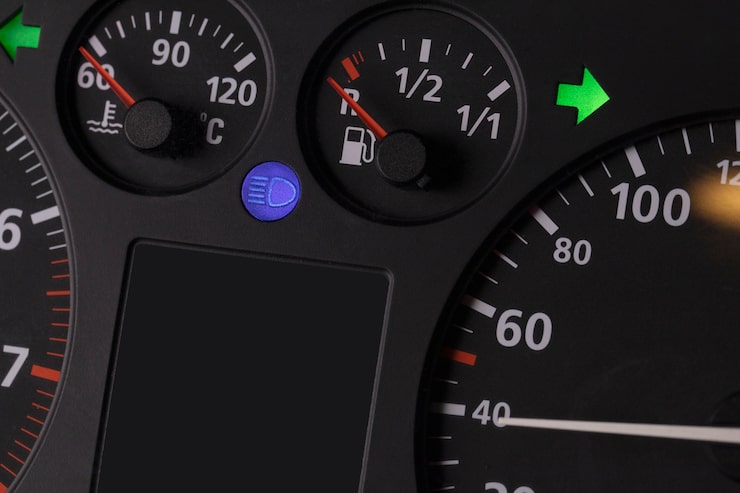
Dashboard warning lights illuminated brightly

Demystifying Dashboard Warnings: When to Stop and When to Drive.

Connecting diagnostic scanner to obd port

Modern vehicle dashboards have evolved into highly complex, deeply illuminated digital command centers, frequently resembling the intense cockpit of a commercial aircraft rather than a traditional passenger car. Behind the steering wheel lies an intricate array of colorful symbols, flashing icons, and digital text warnings. This sophisticated interface is deeply connected to your vehicle’s vast, highly sensitive internal computer network (the CAN bus), continuously monitoring data from dozens of critical engine, transmission, and safety sensors. When one of these sensors registers a mathematical value that falls outside its strictly programmed operational parameters, the computer instantly triggers a specific warning light. Understanding the exact severity of these illuminated symbols—specifically deciphering the critical difference between a minor emissions anomaly and an impending catastrophic mechanical failure—is absolutely essential knowledge that can save your engine from total destruction and protect you from highly dangerous highway breakdowns.

The universal language of dashboard warning lights is heavily based on a strict color-coded hierarchy of urgency. Green, blue, or white illuminated symbols are generally informational—they simply confirm that a specific system, such as your high beams, cruise control, or fog lights, is currently active and functioning exactly as intended. However, when a symbol illuminates in bright amber or yellow, the vehicle is issuing a highly specific cautionary warning. The most notorious of these is the amber 'Check Engine' light. This symbol covers a massively broad spectrum of potential faults, ranging from a relatively benign loose fuel filler cap to a severely degrading oxygen sensor or a failing catalytic converter. While an amber Check Engine light generally implies that you can safely continue driving the vehicle to your destination, it is an urgent request for professional computer diagnostics to be scheduled as soon as practically possible. However, if that same amber Check Engine light suddenly begins violently flashing, it indicates a severe, highly destructive engine misfire that is actively dumping unburned fuel directly into the exhaust system, aggressively destroying expensive emissions components. In this scenario, you must reduce power immediately.

The appearance of any deeply illuminated red warning symbol is a strict, non-negotiable command from your vehicle to safely pull off the road and completely shut down the engine immediately. Red indicates a critical, highly dangerous system failure. For instance, the red 'oil can' symbol does not simply mean your oil level is slightly low; it screams that your engine has suffered a total, catastrophic loss of highly pressurized hydraulic oil pressure. Continuing to operate the engine for even thirty seconds under these heavily compromised conditions will violently fuse the internal metal components together, completely destroying the engine block. Similarly, a red thermometer symbol indicates severe, critical overheating, which will rapidly warp the aluminum cylinder head and completely blow the head gasket. Finally, the red battery symbol dictates that the heavy-duty alternator has entirely stopped charging the electrical system, meaning the vehicle is operating solely on reserve battery power and will completely stall the moment that highly limited reserve is depleted. Never attempt to guess the cause of a warning light; always rely on deep, professional OBD2 computer scanning to accurately trace the underlying fault.

  • Green or Blue lights are purely informational, confirming active systems like cruise control or headlights.
  • Solid Amber or Yellow lights (like the Check Engine light) are cautionary; book a diagnostic scan soon, but you can usually drive safely.
  • A Flashing Amber Check Engine light means a severe, active misfire; reduce speed heavily to avoid massive catalytic converter damage.
  • Any RED illuminated warning light (Oil Pressure, Temperature, Battery) means STOP IMMEDIATELY and turn off the engine to prevent total destruction.
Book Computer Diagnostics